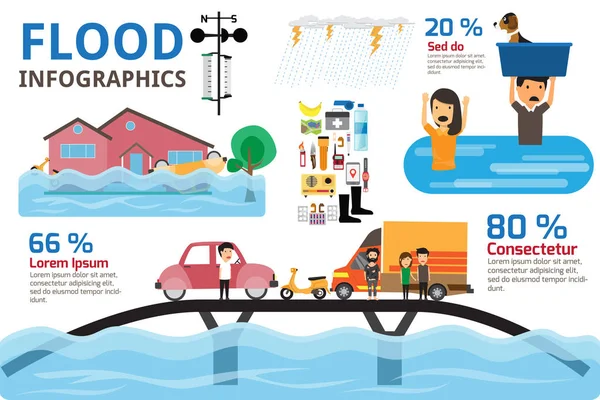
When flooding or a pipeline burst happens, your prompt response can make all the difference. Initially, you'll need to turn off the primary water supply and check for any type of electrical threats. After ensuring your security, it's essential to evaluate the damage and document whatever for insurance policy objectives. The following steps are critical in protecting against additional concerns, so allow's explore exactly how to successfully start the cleanup and restoration procedure.
Shut down the Water and Make Certain Security
When confronted with water damages, the first step is always to shut down the water-- this can protect against more flooding and decrease damages.
Locate the major shut-off shutoff and turn it clockwise up until it's totally shut.
Next off, guarantee your safety and security. Look for electrical threats, and stay clear of standing in water if there are live cables. If it's risky, evacuate the area quickly.
As soon as https://andyovbhu.madmouseblog.com/21560329/residential-water-damage-repair-cost-evaluation-process-summary-and-time-price-quotes , look for architectural damage; if you discover any kind of drooping ceilings or wall surfaces, stay out of those rooms.
File the circumstance with pictures, yet concentrate on safety initially.
After safeguarding the area, you can start considering your following steps for restoration.
Prioritize your wellness throughout this difficult process.
How to Evaluate Water Damages and Keep Records for Insurance?
As you examine the extent of water damages, it's critical to record everything for insurance objectives. Beginning by taking clear pictures of impacted areas, capturing both large shots and close-ups.
Keep in mind the sort of damage-- whether it's from flooding or a pipeline burst. Checklist damaged products, including furniture, home appliances, and personal possessions, with their approximated worths. If possible, gather receipts or purchase records for these products.
Make an in-depth account of when the damages occurred and any kind of actions you took later. This information will sustain your insurance claim and aid quicken the process.
Finally, keep all documentation arranged and readily easily accessible, as your insurance company may call for extra information later on.
Start Cleaning and repair
Start the clean-up procedure as quickly as it's safe to do so. Start by removing any type of standing water with a pump or damp vacuum cleaner. If it's safe, turn off the power to avoid shocks. Use safety equipment like gloves and boots to maintain on your own risk-free from impurities.
Next, secure soaked furnishings, rugs, and anything else that can't be dried out. Open doors and windows to promote air flow, which helps with drying. Usage fans and dehumidifiers to quicken the procedure.
Look for covert wetness in walls and floors, as this can result in mold and mildew. Record everything for your insurance policy claim.
Finally, if the damages is comprehensive, don't think twice to contact professionals to help with the repair.
Verdict
In the after-effects of flooding or a pipe burst, acting rapidly can conserve you money and time. Shut off the water, ensure your security, and paper everything for insurance functions. Start clean-up by removing standing water and getting rid of broken materials. Don't fail to remember to put on safety equipment and boost air movement to dry out the location. By taking these actions, you can effectively take care of the situation and protect against additional concerns like mold and mildew development. Remain aggressive and safe!